My family likes to solve escape rooms, and thanks to the makeup of our team, we are pretty good at it. Unfortunately, I’m the weak link. It’s humbling, but like many frustrating things I’ve learned over the years, being less than the best is a great learning experience. Plus, I always come away with an appreciation for the unique skills and problem-solving abilities of my team.
We played a new room yesterday, Senseless at Entangled Escape Rooms in the city of Orange, CA. The room is described as:
You have been abducted by an alien race known as The Aqualites. They treat you like royalty as they take you around their facilities. They keep calling you their Champions and explain their planet is under attack. It’s an intergalactic space war, and they’ve been tasked with finding their saviors – you. But before they can trust you to help, you must undergo a series of tests to prove yourselves. If they find you unsuccessful with their testing, Earth will be targeted next. Prove you are the chosen ones they are looking for by testing your senses. Time is short, and the fate of our planet rests in your hands.
True to form, our small team of four solved this room, and of course, my contribution was a combination of cheerleader, finder of clues, flashlight holder, and, well… I did solve a puzzle or two. I felt like my performance was about average for me, but my team dazzled me again.Without giving away information about the room, I can say that my particular set of skills was not of much help, although I did my best at holding the flashlight! What impressed me was seeing the figurative light bulbs come on as my team solved one puzzle after another.Escape Rooms typically have the following types of challenges:
- Ciphers and Codes: Decoding messages using ciphers or codes.
- Pattern Recognition: Identifying patterns or sequences.
- Physical Manipulation: Moving or assembling objects.
- Logic Puzzles: Solving puzzles that require logical thinking.
- Hidden Objects: Finding hidden items that are essential to progress.
I am best at pattern recognition and hidden objects. I’m okay at physical manipulation, but I tend to break things, so I must be careful. Ciphers and codes are a challenge, as are logic puzzles, although I am a little better at the latter. Thankfully, the other members of my team excel in the areas I am weak. It makes for an enjoyable overall experience.There are a few tips I can pass along for those of you who are interested in the experience.
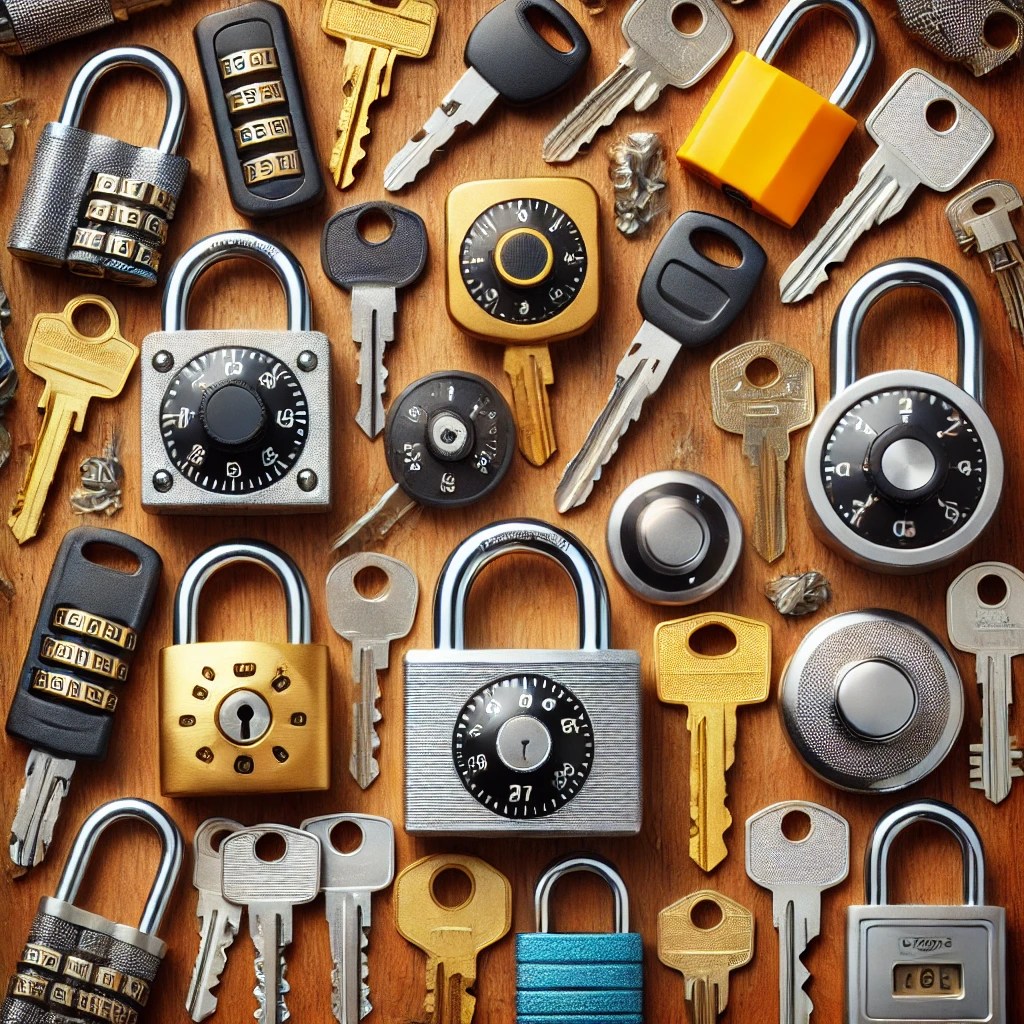
First, eat something before you enter the room. Your brain will be tested, so make sure it is fueled. Next, learn about the locks used in the room. Make sure you understand how to open locks. It may sound obvious, but opening locks can consume a lot of time if you don’t know the correct way to open them. Locks are usually on display in the lobby.
The most important tip: don’t rush into solving puzzles. Instead, spend the first few minutes exploring the room. As you find clues, tell your team, and if there are physical objects, group them in a common location. Rooms have a theme; try to understand the theme before diving into your first puzzle. It will help.
I am trying to improve my weakest area: ciphers and codes. I’m using websites like Cryptoclub and Braingle for practice, plus I’m using YouTube to watch related content. It’s a humbling experience and often a frustrating process. I used to love codes as a kid, but I lost the spark along the way.
Do you like puzzle rooms? Comment and share below. I’d love to hear about your experiences.






 Peanuts In My Pocket
Leave a comment