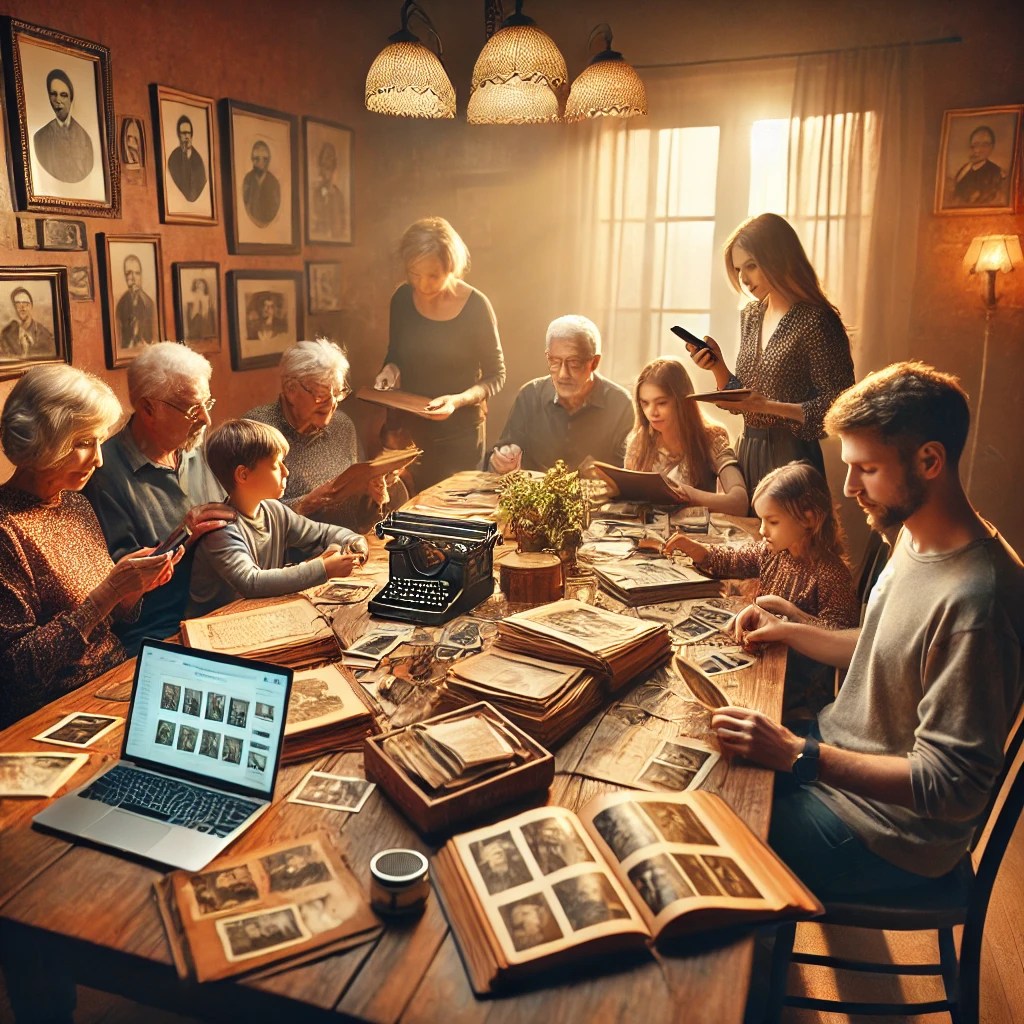
While doing genealogy research, one of the areas I find frustrating is the lack of context. I can trace my ancestors and where they lived, but I often struggle to learn who they were beyond labels like farmer, laborer, soldier, or sometimes, criminal. If stories weren’t collected from living relatives, after a generation or two, I’m often left with nothing.
Famous people in a family tree are rare. Notable people are slightly less rare, but still uncommon. It’s particularly frustrating when the sources for stories are gone. My maternal line is a good example. My mother’s maiden name was Gray. From her, I have stories about her father, who died before I was born. I also have a few stories about her grandfather, Harry, a railroad conductor who lived in Winslow, Arizona. But that’s where the stories end unless I dedicate hours and hours to research.
I know that William Gray (1745–1780) emigrated from Wales and served in the Revolutionary War. He died in the Battle of Kings Mountain and is my 5th great-grandfather—someone I consider notable in my family. His son, John (1767–1857), was a farmer with a large family who lived in Indiana. I even have a photo of him. His son, James (1818–1876), was also a farmer, but in Iowa, and is notable for his 17 children. His son Joseph (1863–1950) sold cigars in Colorado, but I know virtually nothing about him.
I suspect I have many unknown relatives I just haven’t discovered yet. My experience tells me I will identify hundreds of relatives and maybe find a photo or two, but very little that reveals who these people were or what their lives were like. It’s a frustrating process.
It hammers home the point that history erases most people. We live our lives as farmers, or in my case, as an IT Manager, but leave nothing significant behind. I’ve yet to find a poet, writer, or artist in my family who left a mark. I keep asking myself, Is that all there is? Is it enough to know the names of my ancestors and little more? I don’t think this is a problem I can solve. The past is the past. If someone spent their life growing corn and raising a family, after a generation or two, they’re forgotten.
One of the easiest ways to preserve family history is by recording oral histories using something as simple as your iPhone. Sit down with your older relatives and ask them to share stories about their lives, their parents, and any family traditions they remember. Just hit record on your phone, and you’ll capture their memories in their own voices. Later, you can transcribe the audio or save it as part of your family archive. It’s an effortless way to ensure those personal stories don’t get lost to time, and hearing those familiar voices again will be something you’ll treasure down the line.
I talked with a friend about this problem yesterday. What do we contribute besides providing for our families and raising our children? In his case, he could leave behind an important book, plus some meaningful sermons and essays. In my case, there are lots of essays, even more photos, and a wonderful family. What will you leave behind?






 Peanuts In My Pocket
Leave a comment