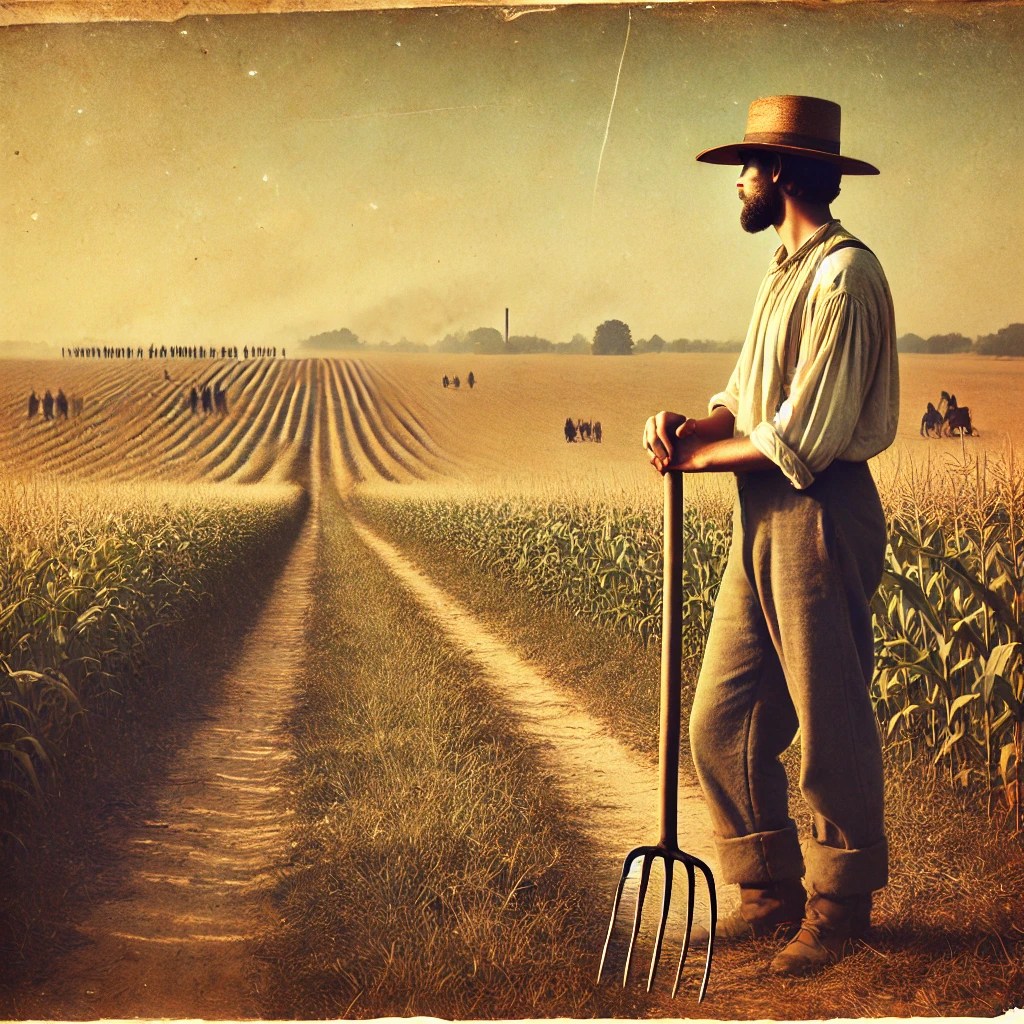
Perhaps the most frustrating aspect of genealogy is discovering new relatives but with little or no context. While attempting to flesh out the Gray family to build connections to living cousins, I found my great-great-granduncle George Harvey Gray (1847–1915). Uncle George is a typical example of genealogical frustration. I spent three hours over the weekend only to find that he leads to a dead end. His family tree bore no fruit, and his life can be summarized in a single paragraph.
George Harvey Gray was my great-great-granduncle, the half-brother of my great-great-grandfather, Joseph Festler Gray (1863–1950), who was one of 15 siblings. Joseph married Susan Elizabeth Clevenger (1845–1912), but as far as I can tell, they had no children together. Susan, however, brought a daughter named Lena into the marriage. Lena was born nine years before they wed.
Uncle George lived an unremarkable life in Indiana and Iowa. He served in the Civil War as part of Unit K, 85th Regiment of the Indiana Infantry. This unit was composed of men from Greene, Owen, Clay, and Boone counties. I plan to delve deeper into the regiment’s history to learn what battles they fought in and whether Uncle George accomplished anything noteworthy.
Before and after the Civil War, Uncle George worked as a farmer. There’s a potential link to him witnessing the murder of his cousin, John Gray, though I have yet to confirm John’s presence in our family tree, so this remains speculative for now.
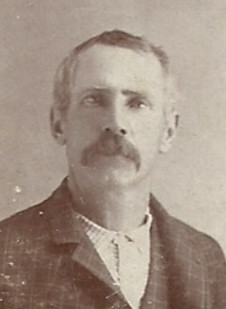
I did manage to find a photo of Uncle George through a link from another researcher, so at least I have a face to go with the name. Still, I know very little about him. He may have lived a rich life, but history has largely forgotten him. This is one of the frustrating aspects of genealogy—discovering ancestors who remain elusive. I may eventually learn more, but with thousands of other relatives to investigate, I doubt I will spend much more time on his life.
For researchers hitting similar dead ends, I recommend digging into military records or reaching out to other researchers, like I did when I found Uncle George’s photograph. Military records can give you a lot of unexpected details—dates of service, regiments, and sometimes even physical descriptions. And don’t underestimate the value of connecting with other genealogy buffs; they might have that missing piece of information or access to records you haven’t seen yet. Even small discoveries, like a photo or a name on a document, can make an ancestor feel more real. The key is persistence and collaboration, and there are a lot of resources out there to help bring long-forgotten relatives back into focus.
Here are a couple of research links:
- Military Records Research | National Archives – A guide to accessing U.S. military service records, which can reveal rich details about an ancestor’s service history.
- Find A Grave – A valuable resource where you can search for burial sites, headstones, and even connect with others who might have additional family photos or documents.
- FamilySearch Research Wiki – A collaborative online community with research tips, guides, and connections to other family historians who can assist in finding elusive ancestors.





 Peanuts In My Pocket
Leave a comment