I like to think of myself as well-educated. I have a computer science degree and an MBA. In general, I understand how processes work, whether they’re economic or political. Taxation is something I watch closely, partly because I lean small “L” libertarian when it comes to taxation and personal freedoms. I also recognize that tariffs, when abused, are just another form of taxation. I say “when abused” because I do believe there are valid reasons for using tariffs as part of trade policy, especially when dealing with bad actors like China.
What I don’t understand is why Donald J. Trump is pushing tariffs as a solution to our tax problems. The message he sends to the MAGA crowd suggests that someone else—like the country producing the goods—is somehow paying for these tariffs. At his rallies, people cheer when he says this. But it’s, at best, deliberate deception. Tariffs don’t work the way he implies. They are a tax on us, the consumers, and we’re the ones who will end up paying if he gets his way.
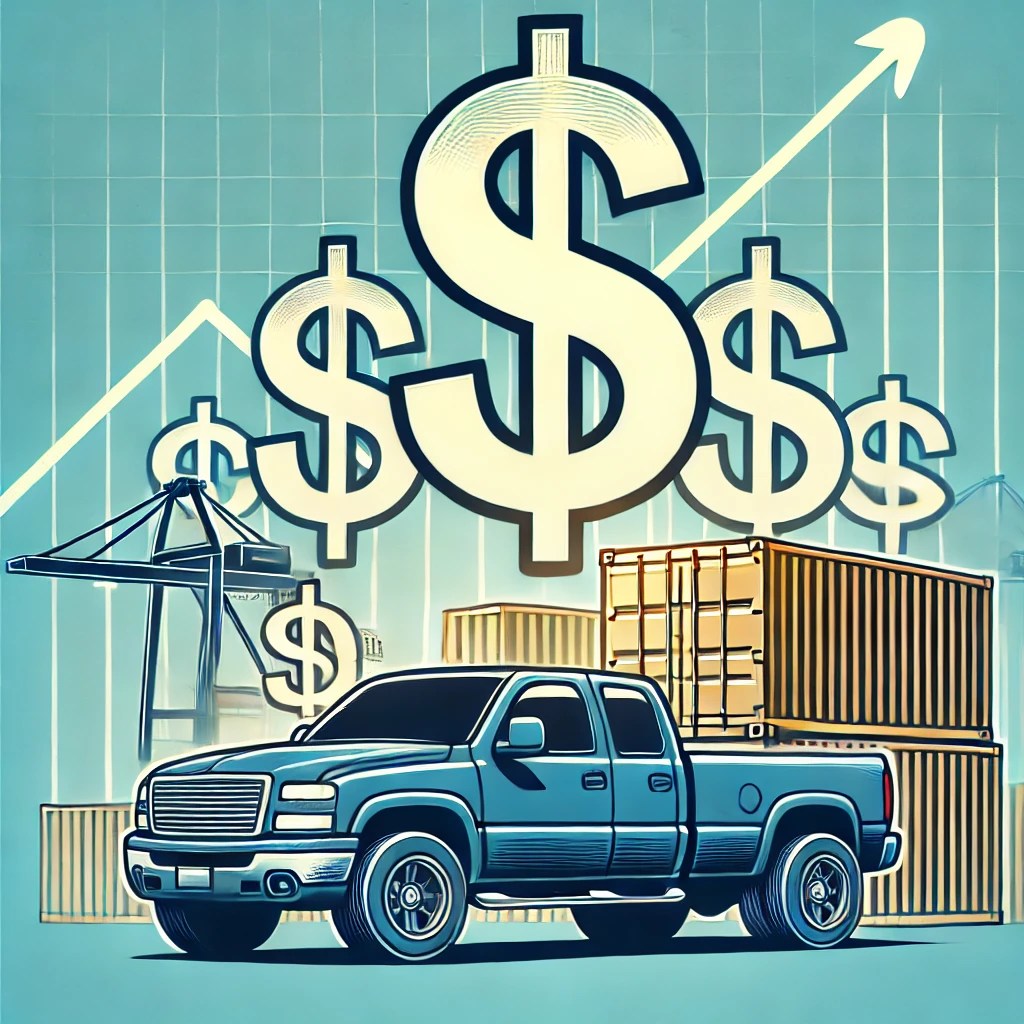
Let’s break down the price difference for a foreign-made pickup truck, which would sell for $30,000 without a tariff. Add a 25% tariff, and the importer—usually a car company operating in the USA—will pay an additional $7,500. The car company isn’t going to eat that cost; they pass it on to the buyer. That means the price of the truck jumps to $37,500. We, the consumers, are the ones paying more. It’s really that simple.
That extra $7,500 goes to the government, just like any other tax. But instead of paying through income tax, we’re paying through tariffs on top of our normal taxes. And let’s be clear—Trump isn’t proposing to get rid of income tax. Nope, he’s just introducing a new tax under a different name: tariffs.
But wait, there’s more. The $37,500 truck will still be subject to local sales tax. Assuming an 8% sales tax rate, that’s another $3,000. So, the final price of the truck becomes $40,500. Under Trump’s tariff plan, we’re giving the government $10,500 on a truck that’s still only worth $30,000. How does this make any sense?
And let’s not forget the Smoot-Hawley Tariff Act of 1930. Along with the stock market crash of 1929, bank failures, deflation, and other factors, it helped crash our economy. It took a decade to recover. The lesson from that era is that tariffs can make a bad situation worse. While they’re meant to protect domestic industries, they often lead to higher prices for consumers and reduced purchasing power. When tariffs are imposed on essential goods or components used in domestic manufacturing, production costs rise, which leads to higher prices for finished goods. It’s a lose-lose approach to managing the economy and taxation. Why are we still listening to this madness?
Smoot-Hawley isn’t just some old, forgotten policy from the 1930s—it’s a cautionary tale. When the government raised tariffs to protect American industries, it triggered a global trade war. Countries retaliated with their own tariffs, making it harder for the U.S. to export goods, which further crippled an already struggling economy. Instead of helping, it made things worse, deepening the Great Depression. The lesson? Tariffs often have unintended consequences that hurt more than they help. It’s a reminder that economic policies, especially those built around protectionism, can easily backfire and leave everyone worse off.
The next time someone tells you tariffs are the answer, remember Smoot-Hawley—and think twice about who’s really paying the price.






 Peanuts In My Pocket
Leave a comment