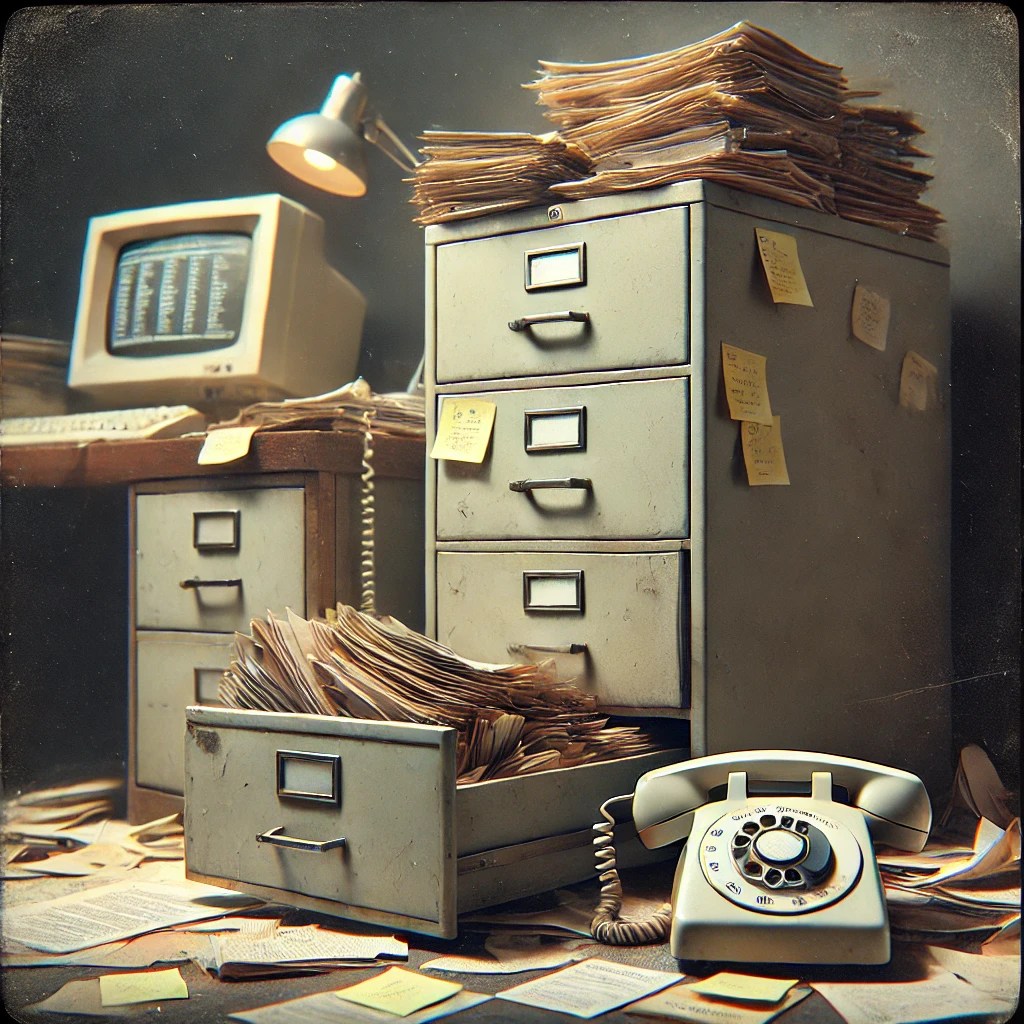
I retired over a year ago. My job was a high-stress mix of managing complex computer systems, IT projects, and constantly designing or improving systems and processes. Essentially, I was often invited into chaotic situations and tasked with creating order alongside a team. It was the most rewarding part of my job, but also incredibly stressful. These days, I’m doing my best to disconnect from “systems thinking.” Unfortunately, I’ve failed—it’s impossible.
Recently, I had some business with the SSA (Social Security Administration). It’s a perfect storm of inefficient bureaucracy, non-existent processes, and older workers struggling with modern technology. Sure, they have processes in place, but they’ve lost sight of who the customer is. Everything seems designed for the convenience of SSA employees, with little consideration for the people they serve.
Take their recommendation to make a reservation before visiting a physical office. That’s their preferred way of handling customers—except they don’t really communicate this effectively. The emails and snail mail I received suggested a casual “come on down” approach. Reservations were mentioned but not emphasized, let alone marked as essential.
“Required” is an interesting word. You can show up without a reservation, but that means waiting 2 to 4 hours to talk to the single walk-in window agent. I attempted this once but was mercifully warned off by a security guard who suggested I make a reservation. Only then did I discover they have no real system for making reservations. You must call, plead your case to a live person, and hope they grant you one. There’s no confirmation, follow-up, or communication after the phone call. It’s maddening.
The Hellish Reservation Process
Calling to make a reservation was an exercise in patience—patience of the sort one might need to survive a trip to hell. Over two days, I made 17 calls before reaching a live person. Before that, I’d made a dozen unsuccessful attempts over the prior two weeks. Each call took 10 to 13 minutes, often ending with the system dropping me.
Here’s the process: The call begins with an introduction, followed by a menu leading to a lengthy update on recent law changes. Then, after navigating multiple options, you’re finally allowed to join the queue—only to be dropped after 10 minutes.
My systems-thinking brain couldn’t help itself—I built a process map. I documented every step of the experience and quickly realized the design seems intentional. The goal appears to be frustrating callers into giving up or forcing them to visit in person to stand in line. I briefly considered designing a better system but stopped myself. Reservation systems are a dime a dozen. My local soup shop has several ways to book a table—surely the SSA could adopt an off-the-shelf solution.
The Real Problem
The issue isn’t the lack of available technology; it’s the bureaucratic mindset. A field office can’t implement a localized solution because corporate and government groupthink demands a one-size-fits-all approach. Instead of a low-cost, practical reservation system, they’d need a custom, high-cost solution requiring a budget in the tens of millions—or more. (I don’t specialize in government work, so that’s just an educated guess.)
Still, my mind won’t let this go. I want to fix it. I want to talk to someone, propose ideas, and solve the problem so no one else has to waste 170 minutes of their life on hold for a five-minute task. It’s maddening. But maybe I should just accept my lot as a retiree with time to burn. What does it matter if my time is wasted, anyway?






 Peanuts In My Pocket
Leave a comment