I live in the United States, in California. Twenty years ago, I started a genealogy project to trace how my family arrived here. I didn’t realize then how long it would take or how much work it would require. Only now are the pieces beginning to come together, partly because I hadn’t realized how deep our roots go.
Tracing back two generations was easy. Going back seven to ten generations, though, is a different story. It’s not just more work, it’s many more people. A seven-generation fan chart includes 64 individuals; the next generation jumps to 255, and then 511. The deeper I go, the harder it is to find immigrant ancestors. The more I learn, the more I realize how much more there is to uncover.
In all these years, I’ve never found a confirmed reference to Native American ancestry in my family. My DNA results support this, as do my mother’s. Family lore occasionally hints at a connection, but each time I’ve followed those leads, they didn’t hold up under scrutiny.
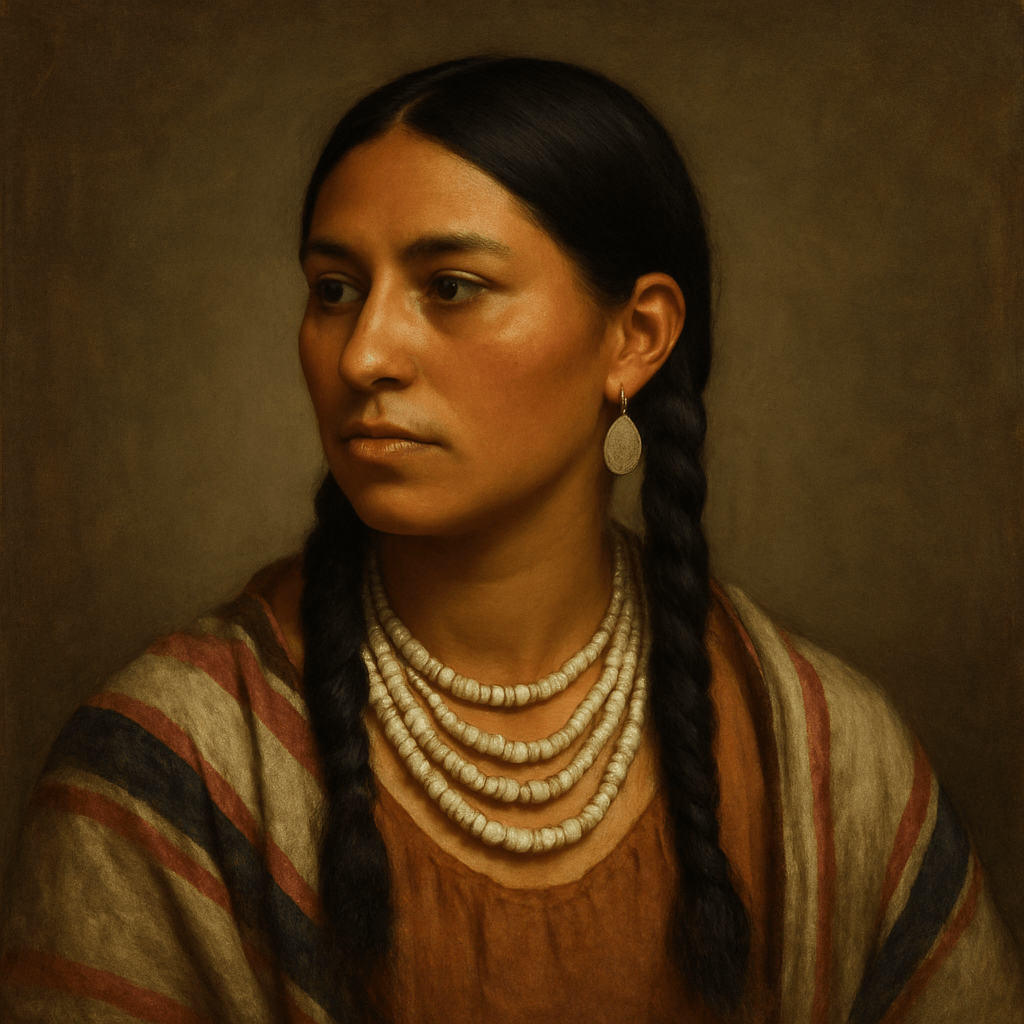
Today, however, I found a potential link. My third great-grandmother on the paternal Masterson/Shelby line is Anna Raymer (1823–1885). Her alleged mother is listed in some trees as “Key Cherokee Woman Elk Yula” (1795–1829). I believe Elk Yula is her name, though I can’t be certain.
At this point, I’m on shaky ground. I’ve found other trees that reference Elk Yula, but none include supporting documentation. So, for now, she remains a hypothesis, an intriguing one that will require significant research and, hopefully, actual historical records to confirm.
To begin this process, I’ve created a note in Obsidian, where I record all my findings. Once I’m confident that Elk Yula was a real person who belongs in my family tree, I’ll add her to my Ancestry.com profile.
When I was less experienced with genealogy, I might have added her name right away and then forgotten about it. That kind of mistake—adding undocumented people—can turn a solid tree into a confusing mess. I try hard not to repeat those errors. My tree already has enough problem areas, and the Shelby line may be the worst. That’s partly due to poor record keeping in Kentucky, and also because of multiple first-cousin marriages that tend to obscure already-fragmentary records.
Elk Yula may have been Cherokee, though it’s possible she was Creek. I’m not sure how to proceed, so I’ve compiled some research strategies:
Research Tips
- Examine historical rolls
Review the 1835 Cherokee Census and the 1928 Baker Roll, which document individuals from the Eastern Band of Cherokee Indians. - Consult tribal records
Reach out to the Eastern Band of Cherokee Indians and the Muscogee (Creek) Nation for enrollment or historical documents that might mention Elk Yula. - Explore local archives
Investigate county records in North Carolina and Alabama—places with known Native American populations during Elk Yula’s lifetime. - Use DNA testing
Genetic testing can offer clues about ancestral origins and potential tribal affiliations. - Engage with historians
Contact genealogists or historians who specialize in Native American ancestry for help interpreting your findings. - Connect with other genealogists
Both amateur and professional genealogists often come through with tips or leads you wouldn’t find on your own.
Because the Shelby line is so under-researched, I’ll need to step back two generations and verify every detail about each family member. It’s also important to build out peer associations, something my research has been light on so far.
This little side quest may take a while, but I’m genuinely looking forward to it. It gives me a chance to learn more about the Cherokee Nation and to sharpen my research skills in the process.




 Peanuts In My Pocket
Leave a comment