I’ve been fascinated by the names of things for most of my life. Initially, my curiosity was focused on the things around me, but as I grew, I found myself wanting not just to know the name of a dog or cat breed but also where these animals fit into the tree of life. Welcome to my scientific taxonomy obsession.

For example, the Miniature Pinscher is a high-energy dog breed often mistakenly called a scaled-down Doberman Pinscher, but it is not. I have owned a few of them, and they truly are bundles of energy. I came to understand Min Pins better once I explored their taxonomy:
- Kingdom: Animalia
- Phylum: Chordata
- Class: Mammalia
- Order: Carnivora
- Family: Canidae
- Genus: Canis
- Species: Canis lupus familiaris (domesticated dog)
So, scientifically speaking, humans and Miniature Pinschers both belong to the Kingdom Animalia (we are both animals, obviously). However, from there, our family trees diverge significantly.
Humans belong to the family Hominidae (great apes and humans), while Miniature Pinschers fall under the family Canidae (dogs, wolves, and foxes).
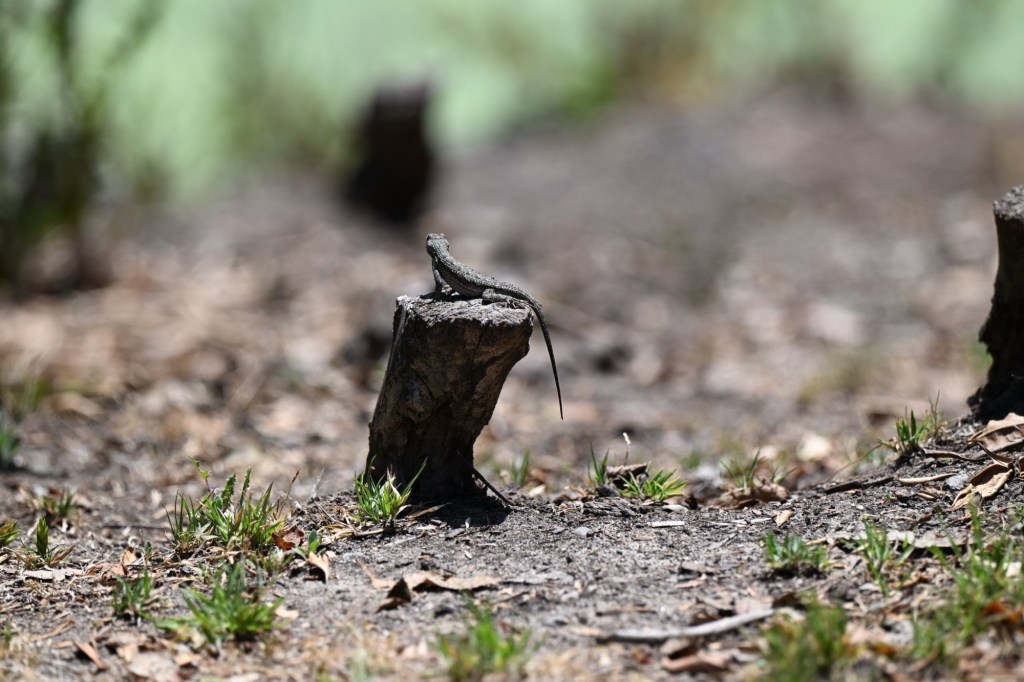
I now run this mental process in the background with anything new I come across, like the wall lizard in the photo for this essay. AI makes it easy, and Wally, my ChatGPT assistant, knows exactly what I am looking for when I ask, “What is this?”
Humans, like dogs, cats, and cattle, do not have subspecies, although humanity once did, such as the Neanderthals. For the longest time, this concept did not make sense to me because I conflated “breeds” (used for domesticated animals like dogs and cats) with “subspecies” (used for wild animals like birds and wolves).
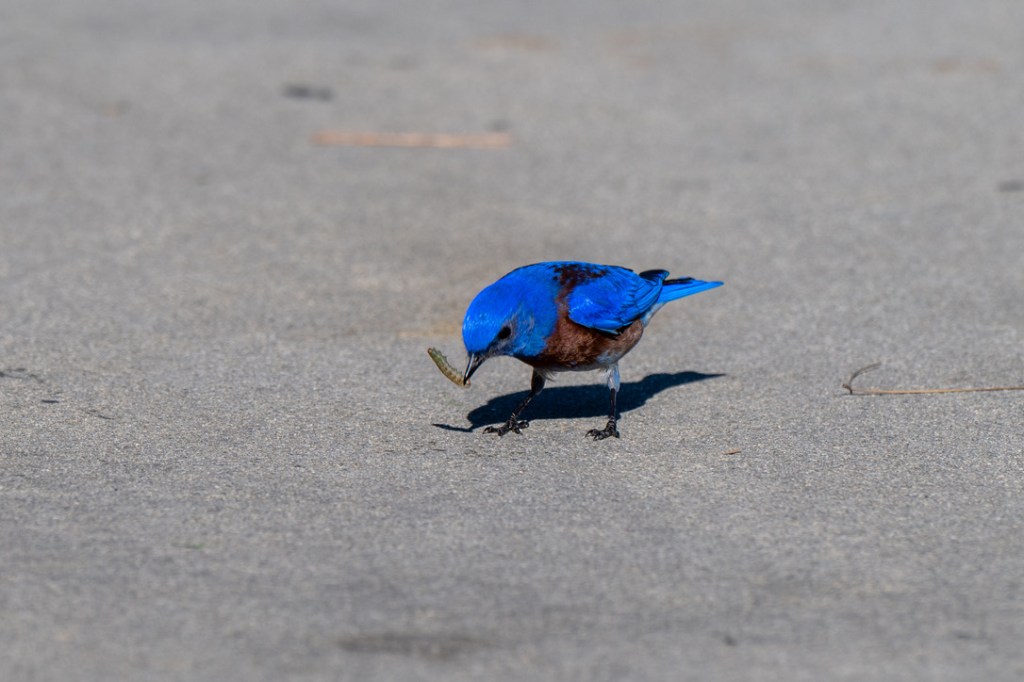
These days, I am all about learning subspecies for birds, though it can be tricky since classification often depends on subtle differences that are hard to see. I like to understand why distinctions exist, so I often spend time exploring the differences between the Western and Eastern Bluebirds. Unlike domestic dog breeds, these subspecies distinctions arise from natural geographic isolation and minor but consistent differences that justify the classification.
Here is a table comparing Bluebirds:
| Rank | Western Bluebird (Sialia mexicana) | Eastern Bluebird (Sialia sialis) |
|---|---|---|
| Kingdom | Animalia | Animalia |
| Phylum | Chordata | Chordata |
| Class | Aves | Aves |
| Order | Passeriformes | Passeriformes |
| Family | Turdidae | Turdidae |
| Genus | Sialia | Sialia |
| Species | Sialia mexicana | Sialia sialis |
| Subspecies | – Sialia mexicana mexicana (nominate) – Sialia mexicana bairdi (Baird’s) – Sialia mexicana occidentalis (Western) | – Sialia sialis sialis (nominate) – Sialia sialis bermudensis (Bermuda) – Sialia sialis nidificans (Southern) |

In the end, my fascination with taxonomy is more than just memorizing names; it is a way of understanding the world around me and how everything connects. It supports my systems-thinking mindset that is always asking, “How does that work or fit in?” From the dogs that share my living room to the bluebirds that grace our backyards, every species carries its own evolutionary story written in its place in the tree of life.
Learning to see those connections and to appreciate the subtle differences that define subspecies has deepened my curiosity and made me appreciate nature’s complexity even more. Thanks to tools like AI and my trusty assistant Wally, I can continue to explore and share that journey with others.




 Peanuts In My Pocket
Leave a comment