
I’ve visited three more local coffee shops since my last post. I had one good experience and two that were a bit off. Along the way, I learned something unexpected about coffee culture, particularly Korean coffee culture. I’m enjoying the process. In all three cases, I enjoyed the space while having good conversations with my son, and in one case, with my son and wife.
My goal is to find a third place where I can relax, enjoy a cup of coffee, talk with friends, and be creative while my wife works from home. I like to get out of her hair and let her work without my nonsense interrupting her day. So far, I’ve left my laptop at home on these visits. I bring my Fujifilm camera instead, mostly for a few photos I can use in a post, along with a few shots of whoever I happen to be sharing the moment with.
The idea of a third place comes from urban sociology. It refers to the spaces we spend time in that are not home and not work. Home is the first place. Work is the second. The third place is everything in between. Coffee shops, diners, libraries, parks, barber shops. These are places where you can linger without obligation, where conversation happens naturally, and where you feel welcome even if you are not doing anything particularly productive.
A true third place is informal and low pressure. You don’t need an appointment or a reason to be there. You can show up as yourself, sit quietly, talk with friends, or strike up a conversation with a stranger. Over time, these places create a sense of belonging. You recognize faces, learn the rhythms, and become a regular without ever signing up for anything.
What I’ve learned is that Korean coffee culture is very different from my expectations. I drink drip coffee. I prefer it brewed medium to strong and served black, or occasionally with a little cream. In the shops I’ve visited, drip coffee often isn’t an option. Instead, they simulate it with pour-over, which usually tastes awful to my palate. My son explained why during a recent conversation.
Drip coffee just isn’t the point. Traditional American drip is fast, anonymous, and optimized for volume. Korean coffee culture tends to reject all three. Espresso-based drinks dominate the menu. Lattes, americanos, flat whites, and milk-forward signature drinks are the baseline. The Americano, in particular, fills the role that drip coffee plays in American cafés. Hot water plus espresso, made to order, consistent, and perceived as fresher than coffee sitting in a thermal carafe.
These cafés aren’t competing for my business, and that’s obvious in hindsight. But that’s exactly why I do these little projects. Next time I visit one, I’ll order an Americano and see if that bridge can be crossed.
I visited three new cafés:
- Stirred Roasters Coffee House
They serve a great cup of coffee using their house blend, easily on par with Solid Coffee Roasters in Artesia. Seating is limited, but the outdoor area should be excellent once the weather improves. - Bakers & Baristas
A Filipino-inspired café with an interesting breakfast menu. The coffee was terrible to my taste and very similar to what I’ve encountered in Korean-style cafés. I suspect they share the same espresso-forward approach and aesthetic. I’ll be back, but for the pork belly bowl or tapsilog, not the coffee. - 8th Symphony Coffee
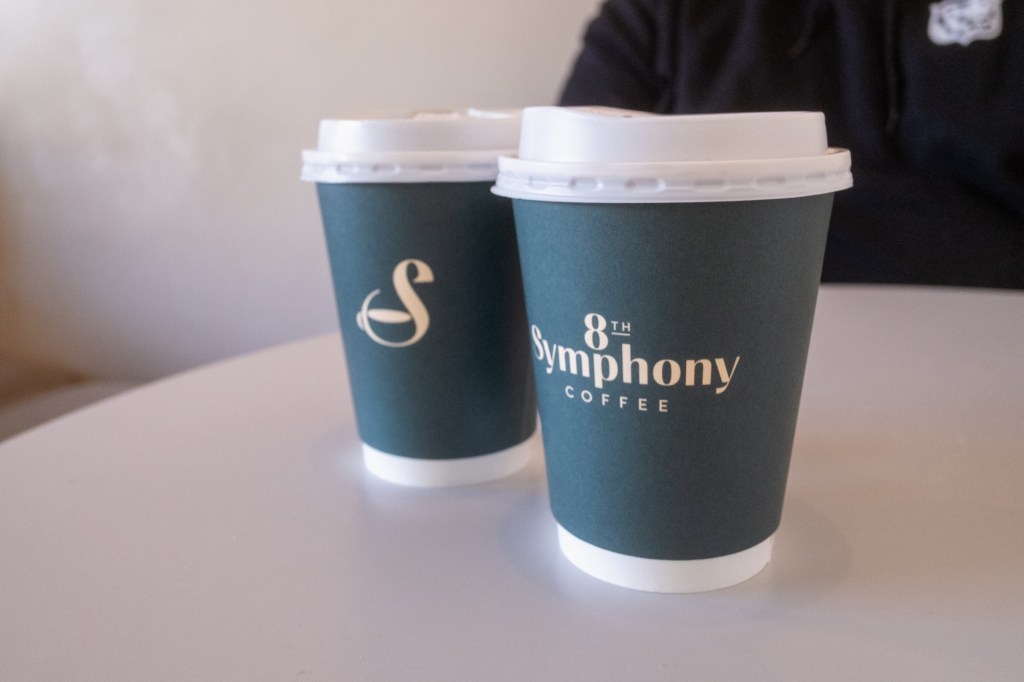
I liked the design and the comfortable seating. This is another Korean-style café, and the coffee reflected that. By my standards, it was undrinkable. The level of cleanliness also left me unimpressed. Still, I spent a comfortable hour talking with my son, which makes the visit a win.
The search continues until I find a place I can truly call my own. Stirred is a strong candidate, but given my taste in coffee, I may eventually land at an IHOP.




 Peanuts In My Pocket
Leave a comment