
Thanks to an unexpected job offer, I found myself thinking about the IT concept of technical debt. For those unfamiliar with the term:
IT technical debt is what happens when software or systems are built quickly or cheaply, with shortcuts taken to meet deadlines instead of doing things the “right” way. It’s not immediately visible, but over time those shortcuts make systems harder to maintain, slower to change, and more prone to errors. It’s like skipping maintenance on a house and then dealing with bigger, more expensive repairs later. Just like financial debt, you get a short-term benefit, but you pay interest later through extra work, frustration, and risk.
For the last ten years of my career, technical debt was my greatest challenge. Decades of old systems, shortcuts, workarounds, and poor planning resulted in hundreds of thousands of hours of accumulated debt. Worse, we added more each month by repeating the same short-term decisions. It was a constant reminder that doing things well was out of reach as long as we were weighed down by the past.
I started thinking about it again because the offer was essentially a technical debt nightmare. The job was simple on paper. Go into a new company, figure out what is broken, and build a roadmap for recovery. It is not something I want to do.
Still, the idea stuck with me over the weekend. Eventually, I realized that my life in retirement is almost technical-debt free. I say almost because I had never really taken stock of what needed attention around the house or for my family. Once I started thinking in those terms, the list grew quickly.
Take the garden.
I started reviving it this spring. We have six raised beds and numerous large pots, all neglected to some degree over the past two years. As I got to work, I realized I should be putting systems in place and planning ahead. Here are a few examples:
- We should be using our composter to enrich the raised beds. That requires discipline with food scraps and yard waste, plus regular turning and maintenance.
- I don’t really know what I’m doing. My wife does, but she is still working. My debt here is learning. Seeds, pests, watering, weeding. There is a lot to absorb.
- My tools are a mess. A collection of worn shovels, rakes, and hand tools that all need maintenance, sharpening, and organization. Do I really need six pairs of flower shears?
- One goal is to attract pollinators to complement our bird-friendly yard. I know birds. I know very little about the plants that support them or the insects they depend on.
- The yard is full of unused pots and supplies. I probably have 30 empty pots and even more trays and equipment. Organizing what we have, and letting go of what we don’t need, will take time.
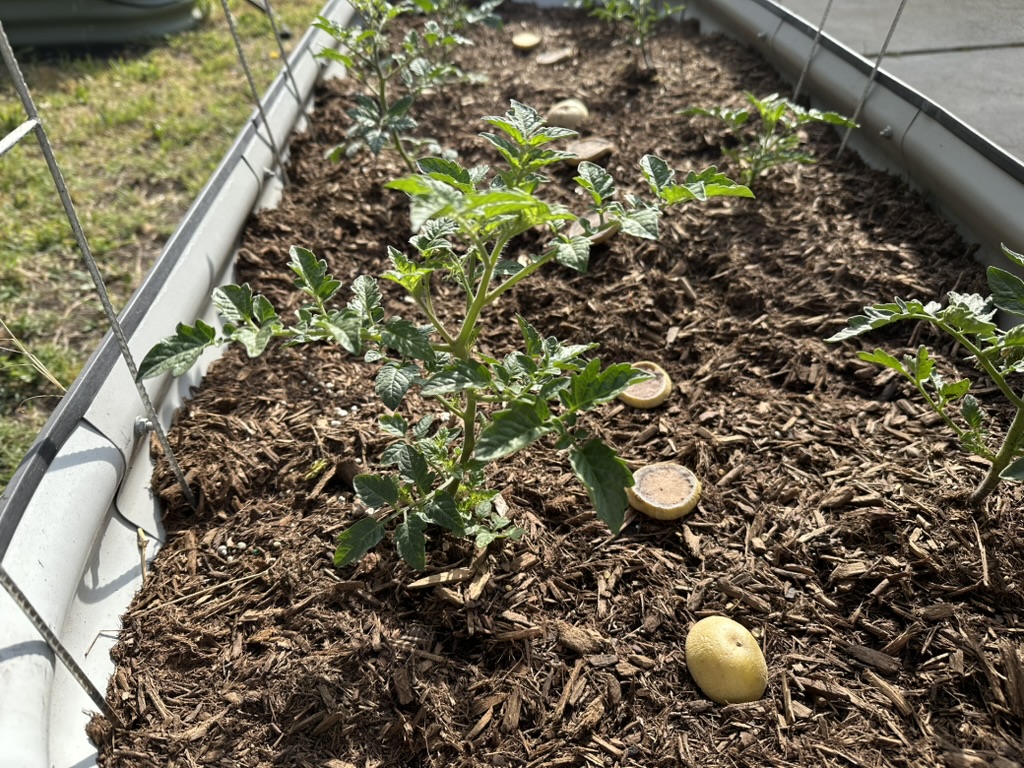
The point is that my life is full of small, unfinished tasks. I just never thought about them in technical terms or tried to quantify them.
My back-of-the-envelope estimate, which I now call the “garden list,” comes out to about six weeks of work. That assumes 40 hours a week focused on the problem. At the end of that, the garden would be in a state where it can thrive with regular maintenance.
And that is just the garden.
There is also the garage list, the house list, and the long list of things I could be doing for family and friends. It adds up quickly.
For a brief moment, taking on a difficult project at work almost sounded appealing. Then I remembered that I actually enjoy working in the garden. I enjoy asking my wife Florence what I can do to make her day better.
Priorities matter. Some debts are worth paying down slowly.






 Peanuts In My Pocket
Leave a comment