
I lost 84 pounds in 2024. For me, weight loss of any kind feels like a miracle. I’ve spent the last 30 years within 15 pounds of 340, no matter what I tried. The only exception was when my weight peaked at 412, a terrifying experience. Forty and fat was horrible, fifty and fat was scary, and sixty and fat felt like a death sentence. Deep down, I believed I would always be “the fat guy.”
When I retired, I started a diet and exercise plan. It worked initially, but by January 2024, I weighed 354. In February, my doctor suggested Ozempic to help manage my long-standing type II diabetes. At the time, I was insulin-dependent, taking large doses twice daily. While insulin controlled my blood sugar, it also contributed to fat storage—a cruel irony for someone already struggling with weight. The goal with Ozempic was to reduce my dependency on insulin, thereby reducing fat storage and, by extension, achieving weight loss. It worked—but it did so much more.
How Ozempic Changed Everything
Ozempic, a weekly injectable medication, started working immediately. After my first dose on a Monday morning, my appetite vanished by Tuesday. By Thursday, I’d take two bites of a burger and feel completely full. The weight loss began that first week, and just as importantly, my insulin requirements plummeted.
When I started Ozempic, I was using five boxes of five insulin pens every 25 days. As of two weeks ago, I took my last insulin shot. Over the year, I saw a steady decline in insulin dependency alongside a dramatic reduction in calorie intake—about 60% less than before. My eating habits naturally shifted to intermittent fasting, where I’d eat one or two meals a day, typically between noon and 6 PM. This change wasn’t due to willpower; I simply wasn’t hungry.
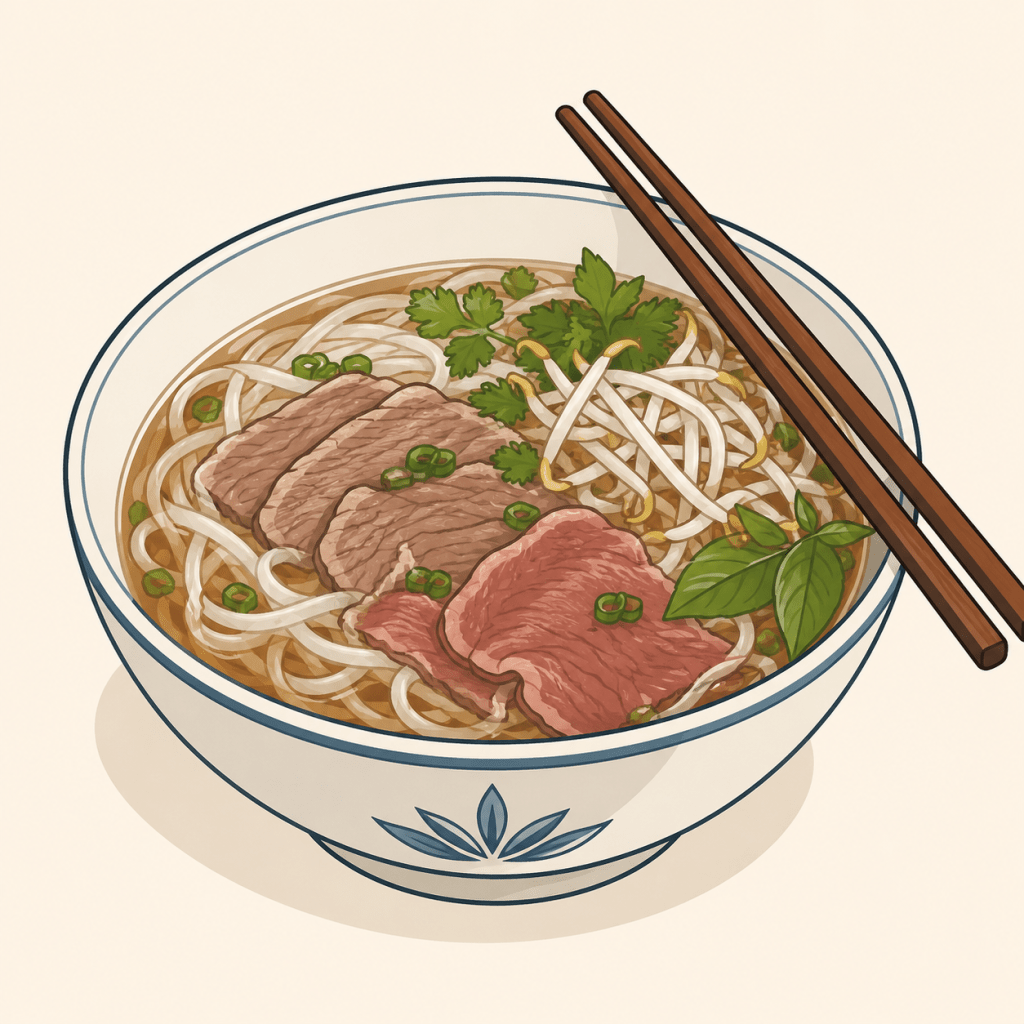
My food choices evolved as well. I now eat a lot of soup—something I’ve always liked but didn’t eat often. Today, soup accounts for more than half of my meals. It’s filling, low in calories, and easy to prepare.
Adjusting to Full Doses
In December, I transitioned to a full dose of Ozempic, which came with new challenges. I began experiencing significant stomach acid issues and, if I overate, vomiting. I’m still adjusting my eating patterns to manage these side effects, but it’s a work in progress.
Ozempic has also curbed my desire for alcohol. I had already stopped drinking heavily for health reasons, but now, even 8 ounces of beer feels excessive. My 2024 records show I drank the equivalent of a six-pack spread across a handful of social events—quite a change from years past.
The Physical Transformation
My body has changed in ways I never imagined. I’ve gone from being “the big fat guy” to a much smaller version of one. Most of my weight was concentrated in my abdomen, and that area will likely be the last to slim down. Meanwhile, my butt and legs have all but disappeared. My wife jokes about it, but I’ve discovered I can no longer sit comfortably on hard surfaces. Bones—who knew they could stick out like this?
These changes show up in countless ways: I can walk for miles, play disc golf with ease, and fly without needing a seatbelt extender. My clothes are shrinking faster than I can keep up, and even my shoe size has changed. I had forgotten what it felt like to be this mobile and light.
The Debate Around Ozempic
Lately, Ozempic has been in the news, particularly due to criticism from John F. Kennedy Jr.:
“Kennedy argues that medications like Ozempic address only the symptoms of obesity rather than tackling underlying issues such as poor diet and lack of exercise. He advocates for improving the American food system and promoting healthier lifestyles as more effective solutions to the obesity epidemic.”
It’s fascinating how Kennedy can be both right and wrong at the same time. Yes, addressing underlying issues is essential, and I’ve been trying to do that my entire life—with little success. Ozempic, on the other hand, is success in a shot. It’s helped me build healthier habits while delivering life-changing outcomes. His crusade against it feels misguided and potentially harmful to people who could benefit from it.
Looking Ahead to 2025
My goal for 2025 is to lose another 50 pounds, eliminate all diabetes medications, and reduce my dependency on other prescriptions. I also have fitness goals I might write about in the future. Nutritionally, I’m working to increase my protein intake to meet my body’s needs. This requires planning and, occasionally, supplements, as Ozempic makes eating large quantities of meat difficult.
Lastly, there’s the infamous “Ozempic face.” In my case, it’s true—I’ve gone from round and plump to thin and angular. People tell me I’m almost unrecognizable. More significantly, I have what I call “Ozempic butt.” No amount of squats seems to help, and my butt appears gone for good. But honestly? I think I can live without it.






 Peanuts In My Pocket
Leave a reply to Life After Ozempic: Two Months Later – Peanuts In My Pocket Cancel reply